In a business landscape driven by scale and speed, a powerful idea took center stage in Pune—that inclusion is not charity, but strategy.
Mission Sandhi Aarambh 2026, hosted by the Pimpri Chinchwad Mahanagar Palika Divyang Bhavan Foundation, brought together over 100 CEOs, CHROs, HR leaders, talent acquisition heads, and diversity & inclusion (D&I) champions under one roof. Held at Sayaji Hotel Pune, the summit marked a decisive shift from conversations around inclusion to actionable change.
At its core, Mission Sandhi Aarambh was designed to bridge a long-standing gap—connecting job seekers from the Persons with Disabilities (PWDs) community with meaningful employment opportunities. The initiative went beyond dialogue, creating a platform where employers, NGOs, and skill development institutions could align efforts toward a shared goal: building sustainable, inclusive career pathways.
Leading this transformative vision is Omprakash Deshmukh, Managing Director of the foundation, whose philosophy is simple yet profound—create opportunities, not sympathy. Under his leadership, the initiative is evolving into a structured ecosystem that integrates talent with opportunity, rather than treating inclusion as a peripheral CSR activity.
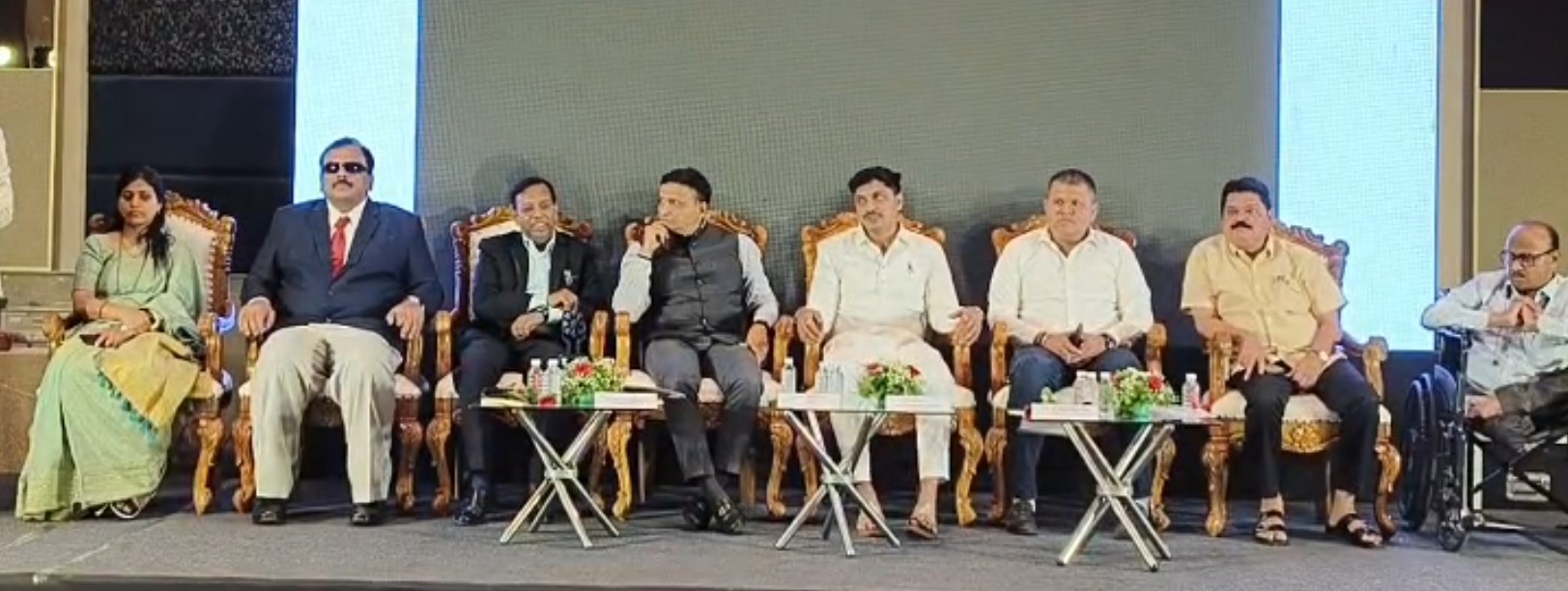
The event was graced by key dignitaries including Vijay Suryawanshi, Municipal Commissioner of PCMC, and Ravindra Landge, along with senior civic leaders and industry stakeholders. Their collective presence underscored the importance of institutional support in driving inclusive employment at scale.
A defining highlight of the summit was the keynote address by Bhavesh Bhatia, a visually impaired entrepreneur and founder of Sunrise Candles. His journey—from adversity to building a thriving enterprise powered largely by visually disabled individuals—resonated deeply with the audience. His message was clear: disability does not limit capability; lack of opportunity does.
Mission Sandhi Aarambh also focused on practical integration—discussing workplace accessibility, inclusive hiring frameworks, and the strategic value of diverse talent pools. Through immersive simulations and direct interactions, participants experienced firsthand the challenges faced by PWDs, making the conversation not just intellectual, but deeply human.
What sets this initiative apart is its ecosystem-driven approach. By connecting job seekers with employers, aligning NGOs with corporate CSR initiatives, and linking skill development programs to real job opportunities, the platform aims to build a robust employment pipeline for PWDs across industries.
The significance of such initiatives cannot be overstated. In India, where millions of skilled individuals with disabilities remain underrepresented in the workforce, platforms like Mission Sandhi Aarambh serve as critical enablers of economic inclusion. More importantly, they challenge businesses to rethink hiring—not as a compliance requirement, but as a competitive advantage.
As organizations increasingly recognize that diverse teams drive better innovation, decision-making, and performance, inclusive hiring is fast becoming a business imperative.
Mission Sandhi Aarambh 2026 was not just an event—it was a movement. A movement that reaffirmed a powerful truth: talent is everywhere; opportunity must be too.
Mr. Paresh Gandhi , CEO of the PCMC Divyang Bhavan Foundation credited the success of the event to the collective participation of industry leaders, NGOs, and implementation partner Rohini, whose efforts played a key role in organising the summit.
Mr Gandhi said “ A strong pledge was taken by participating organisations to create more opportunities for persons with disabilities and make workplaces more inclusive.
He said “a total of 91 companies and over 18 NGOs participated . A strong pledge was taken by participating organisations to create more opportunities for persons with disabilities and make workplaces more inclusive.”